


Technology Affects Your Sleep
Technology has undoubtedly revolutionized the way we live. From reducing manual labor by nearly 40% to making information accessible within seconds, it plays a major role in modern convenience. But this progress comes at a cost, especially when it comes to something we often take for granted: sleep.
As digital devices become more deeply embedded in our routines, our bedrooms have transformed from restful sanctuaries into hubs of constant stimulation. In this guide, we’ll explore one framework revealing six specific ways technology affects your sleep health, supported by research and practical tips to help you restore restful sleep in a connected world.
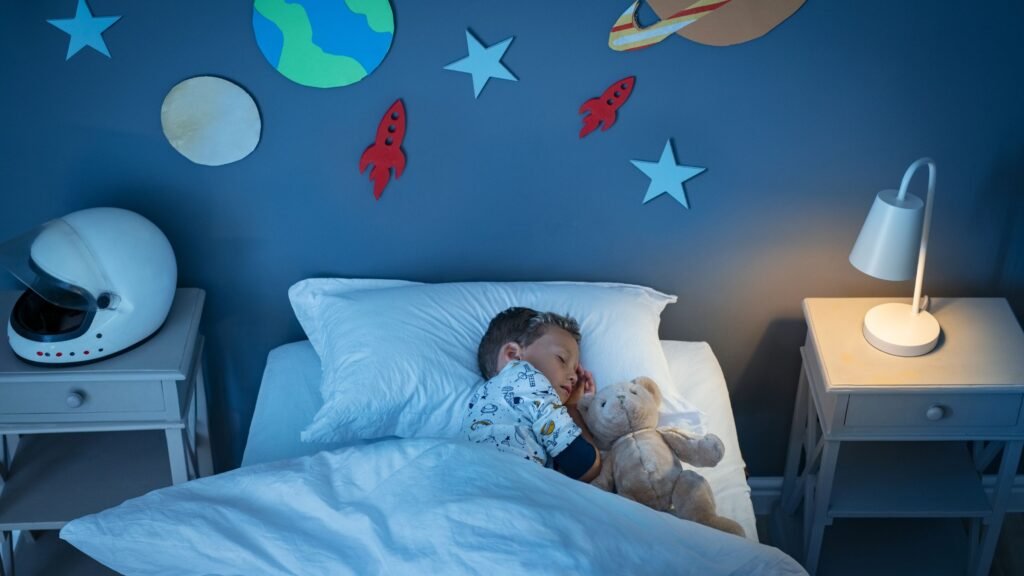
Understanding the Link Between Technology and Sleep
Today, 75% of kids and 70% of adults use devices with screens in their bedroom. What was once a space for sleep is now a media zone, filled with smartphones, tablets, televisions, and laptops. This change has deeply impacted our natural sleep-wake cycles.
But why does it matter so much?
Because the connection between tech and sleep isn’t just about time lost—it’s about biology. The blue light emitted by screens interferes with melatonin, the hormone responsible for regulating sleep. That interference shifts our body clocks and delays sleep onset, causing insomnia, poor sleep quality, and health complications. Sleep deprivation doesn’t just leave you feeling groggy. It’s linked to:
- Heart disease and high blood pressure
- Obesity and diabetes
- Depression and poor mental health
For children, the stakes are even higher. Using devices before bed leads to shorter sleep durations, behavioral issues, and even long-term health problems. Kids who use screens before bed sleep up to one hour less each night, setting the stage for chronic sleep problems.
The Digital Lifestyle and Its Impact on Sleep
Today’s digital habits create a perfect storm of sleep disruption. In the U.S, the average household has at least five internet-connected devices. Around 60% of children and nearly two-thirds of adults use screens right before bed—and many even check them during the night.
- Blue Light Suppression of Melatonin: Even two hours of screen exposure can significantly delay melatonin production.
- Sleep Displacement: Tech use often pushes bedtime later because digital content lacks clear start and stop points.
- Mental Stimulation: Watching fast-paced videos or scrolling social media increases arousal, keeping your brain active when it should be slowing down.
What’s worse, the fear of missing out (FOMO) drives many people to stay online, check updates, and respond to messages even when they know it’s bedtime. As a result, sleep becomes fragmented and less restorative.
Blue Light and Melatonin: A Silent Disruption
The biggest culprit behind tech-induced sleep issues is blue light. Most digital screens emit this short-wavelength light, which tricks your brain into thinking it’s still daytime—even at midnight.
What is Melatonin?
Melatonin is a hormone that your body natural produces, and it come from the pineal gland. Your body makes this hormone when it get dark. It helps control the timing and quality of your sleep. When the blue light is present, melatonin production is suppressed sometimes by as much as 90 minutes
Why It Matters
- A Harvard study showed blue light suppressed melatonin twice as much as green lights.
- Even brief exposure under two hours can delay your sleep cycle significantly.
- REM (Rapid Eye Movement) and deep sleep stages are reduced, meaning you wake up feeling less refreshed.
Children are especially sensitive to blue light. Studies show greater melatonin suppression and increased day timing drowsiness in kids exposed to screens at night.
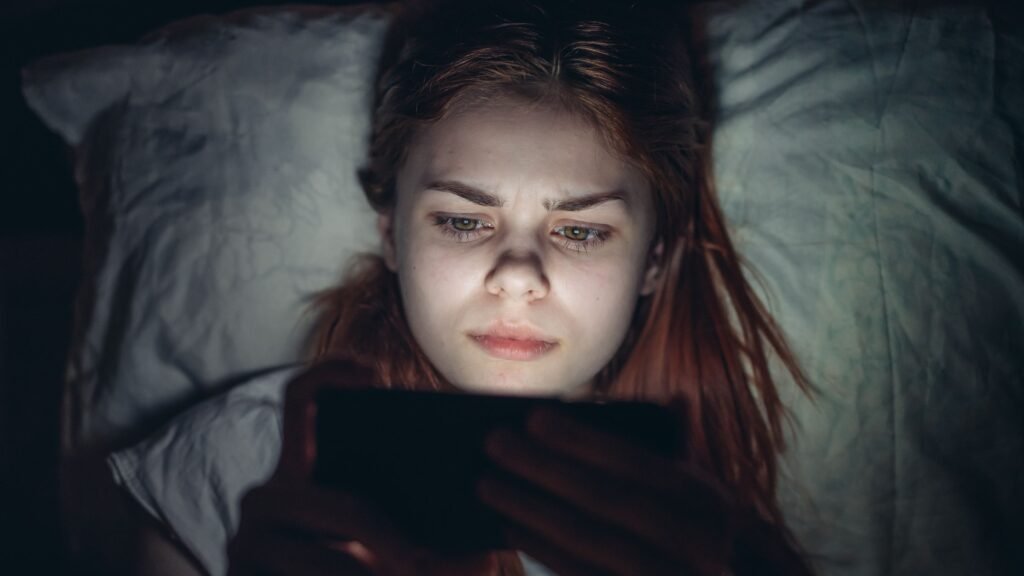
Screen Time and Sleep Disorders
Beyond light exposure, screen time often means sacrificing sleep for digital interaction. Whether it’s texting, gaming, or binge-watching shows, engaging with screens before bed delays sleep and increases insomnia risk.
Key Research Insights
- Every hour of screen use before bed increases the risk of insomnia by 59%.
- Adolescents using screens more than 8 hours daily are three times more likely to experience poor sleep.
- People who spend over 60 minutes on screens while in bed report nearly double the sleep problems of those who spend 15 minutes or less.
Interesting, it’s not just what you do, it’s how long you do it. Whether you’re gaming, on TikTok, or checking emails, extended exposure is the real issue.
Smartphones: Small Devices, Big Sleep Problems
Smartphones are by far the most disruptive devices when it comes to sleep. Their portability, constant notifications, and habit-forming features make them difficult to put down—even when we know we should.
Vamping and FOMO
“Vamping,” the practice of staying up late using your phone, has become widespread, especially among teens. Studies show that the average teenager sends 30+ texts after bedtime, and many wake up just to check messages or social media.
- 68.7% of smartphone-addicted users report poor sleep.
- Smartphone use after 1 a.m. triples the risk of smartphone addiction.
- Using a phone within 30 minutes of sleep doubles the risk of poor sleep quality.
Even if you’re asleep, your phone’s vibrations or alerts can interrupt REM sleep, fragmenting your rest and affecting your mood, energy, and mental performance the next day.
Sleep Trackers: Help or Harm?
Sleep trackers have gained popularity, with around 26% of Americans using them to monitor sleep. But are they helping or hurting?
The Pros
Trackers help identify patterns in your sleep and prompt healthier behaviors, like adjusting bedtime or limiting caffeine.
The Cons
Over-reliance on trackers can create anxiety—a condition called orthosomnia, where people obsess over getting a perfect sleep score. This obsession can cause more stress, which ironically, reduces sleep quality.
Warning signs include:
- Checking sleep scores first thing every morning
- Feeling anxious if you forget to wear your tracking
- Allowing sleep data to dictate your mood
Creating a Tech-Free Bedtime Routine
Unplugging before bed is one of the most powerful ways to improve sleep. Creating a buffer between your screen time and sleep helps your body transition into rest mode.
Why Disconnecting Works
- Reduces cognitive stimulation
- Allows melatonin levels to rise naturally
- Improves sleep quality and duration
- Lowers stress and anxiety
Experts recommend turning off devices at least 30–60 minutes before bedtime. Better yet, set a “digital curfew” two hours before sleeping
Healthy Alternatives to Screens
- Reading a book: Lowers stress and supports sleep onset.
- Journaling: Clears mental clutter and anxiety.
- Breathing exercises or meditation: Promotes relaxation and prepares the body for sleeping
- Warm bath or shower: Lowers body temperature and signals bedtime.
Practical Tech Tips for Better Sleep
Living in a digital world doesn’t mean you have to sacrifice sleep. Smart strategy can help you enjoy technology without letting it control your nights.
Use Blue Light Filters
- Turn on “Night Shift” or “Night Mode” on your phone or tablet.
- Use software like F.
- Lux for your computer to reduce blue light.
- Buy blue light-blocking glasses for better eye protection.
Set Digital Boundaries
- Set a tech break at least one hour before bed.
- Charge your devices in another room.
- Turn on Do Not Disturb or Airplane Mode while you sleep.
- Tell your family and friends about your limits.
- Let them know you can’t be reached after a certain time.
Design a Sleep-Friendly Bedroom
- Keep the room cool (around 68°F or 20°C).
- Use blackout curtains to block out light.
- Introduce white noise machines to minimize disruptions.
- Avoid digital clocks with bright screens.
Conclusion
In our hyper-connected age, sleep disruption from technology has become the norm, but it doesn’t have to be. From melatonin suppression to screen addiction, the effects of digital habits on sleep are well-documented. But with the right awareness and boundaries, better rest is entirely within reach.
You don’t need to cut out technology altogether. Instead, small, consistent changes like limiting screen time before bed, setting digital curfews, and replacing devices with calming activities can make a big difference in your sleep quality.
Your bedroom should be a place of rest, not a digital war zone. When you treat sleep with the same importance as work or social media, your body will thank you with more energy, better health, and sharper focus.
Key Takeaways
- Blue light from screens can delay melatonin production by up to 90 minutes.
- Using devices within 30 minutes of bedtime doubles your risk of sleep disturbances.
- Sleep trackers are helpful, but obsessing over data may trigger anxiety and harm sleep.
- Smartphones and late-night notifications can fragment your sleep and increase next-day fatigue.
- Establishing a tech-free routine 30–60 minutes before bed improves sleeping quality.
- Balance, not avoidance, is the key. Mindful use of technology supports both connection and rest.
FAQs
Q1. How does technology affect sleep quality?
It delays melatonin production, increases bedtime arousal, and displaces sleep time—leading to poorer rest and more health risks over time.
Q2. What makes blue light from screens harmful at night?
Blue light signals your brain to stay awake by mimicking daylight, suppressing melatonin, and shifting your internal clock later.
Q3. How can I prevent tech from affecting my sleep?
Stop using screens 30–60 minutes before bed and engage in relaxing activities like reading or meditation to help your body wind down.
Q4. Which device disrupts sleep the most?
Smartphones, due to their portability, constant alerts, and addictive content, are the most disruptive when used before bedtime.
Q5. Can I use tech at night without harming my sleep?
Yes, use blue light filters, reduce brightness, limit stimulating activities, and set screen curfews to support better sleep hygiene.


